
Vehicle Fire Suppression Systems
Explore Jianan vehicle fire suppression systems for buses, commercial fleets, mining equipment, construction machinery, and engine compartments.
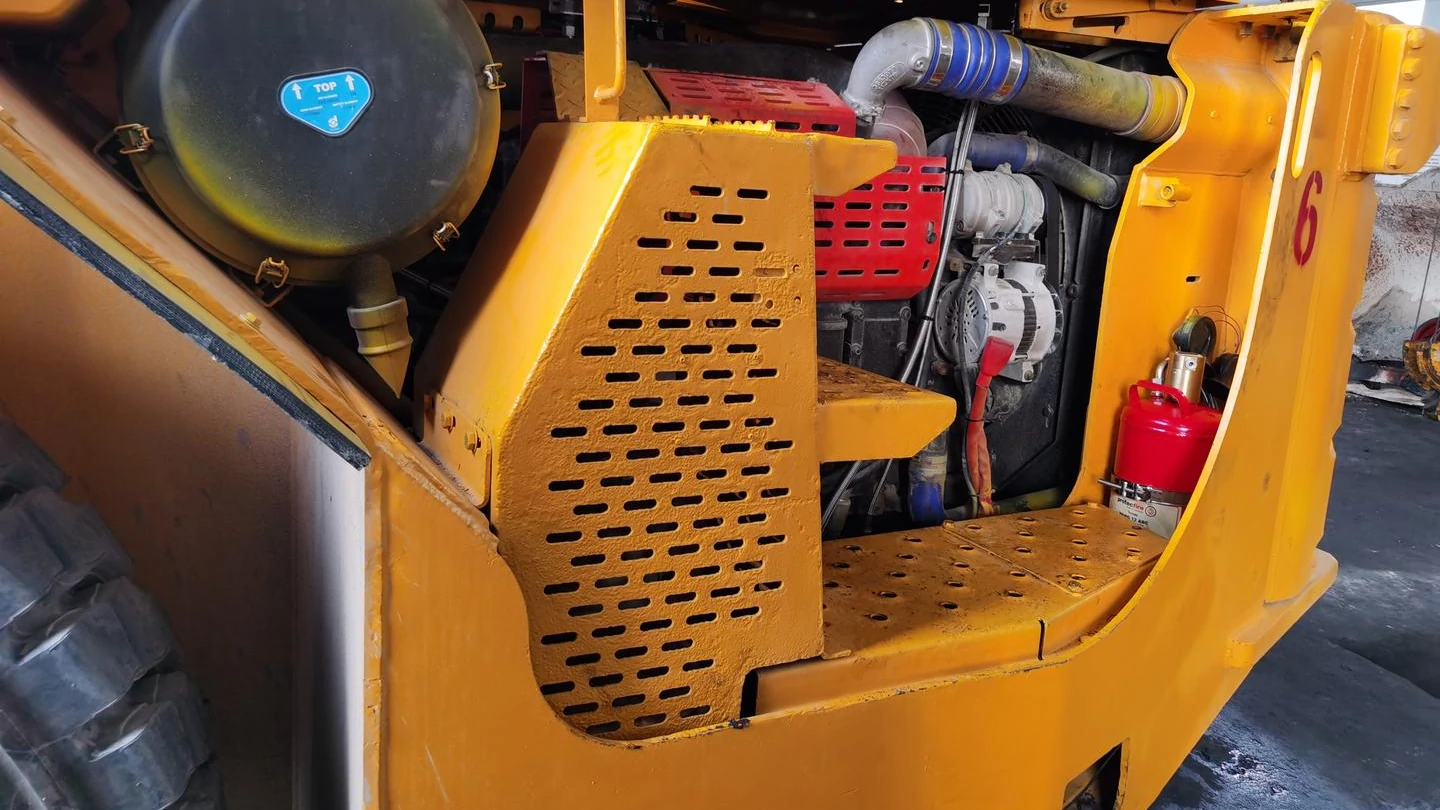
Automatic Protection for Vehicle Hazard Areas
Jianan Fire Protection Technology supplies vehicle fire suppression systems for engine compartments, buses, commercial fleets, mining equipment, construction machinery, and other defined vehicle hazards.
Systems combine automatic detection, a selected extinguishing agent, and fixed nozzles positioned around likely ignition points.
Protection is designed for specific compartments and should not be assumed to cover the battery pack, passenger area, fuel tank, or entire vehicle.
Vehicle Fire Suppression System Features
Automatic Fire Detection: Systems can detect heat automatically and release agent before the fire spreads beyond the protected compartment.
Pneumatic and Electronic Detection: Available options include pressurized detection tubing, linear heat detection, thermal sensors, and compatible electronic controls.
Multiple Agent Options: Systems may use dry chemical, water-based liquid agents, foam, water mist, or tested dual-agent configurations.
Hazard-Based Nozzle Layout: Nozzles are positioned around likely ignition points, hidden areas, fuel components, hydraulic equipment, and hot surfaces.
Vehicle Shutdown Interfaces: The system can interface with engine, fuel, hydraulic, fan, ventilation, alarm, or telematics functions where required.
Harsh-Environment Construction: Components must tolerate vibration, shock, dust, water, oil, fuel, cleaning chemicals, and temperature cycling.
Defined Compartment Protection: Systems are designed for specific engine, machinery, hydraulic, electrical, or power-equipment compartments rather than the entire vehicle.
Reignition Control: Fuel isolation, equipment shutdown, cooling, or a second agent may be required where hot surfaces or continued fluid flow can restart the fire.
Project-Specific Testing: Agent quantity, detection, nozzles, discharge time, and installation must match the actual vehicle, hazard, and tested system limits.
Applications
Typical vehicle fire suppression applications include:
- City buses and coaches
- Commercial trucks and fleet vehicles
- Mining trucks and underground equipment
- Excavators, loaders, and construction machinery
- Forestry and agricultural equipment
- Refuse and recycling vehicles
- Port and cargo-handling equipment
- Mobile generators and power units
- Engine and hydraulic compartments
- Vehicle electrical and control enclosures
- Tested battery and high-voltage compartments
Vehicle systems protect defined hazard areas and should not be treated as whole-vehicle protection.
Lithium-ion batteries, hydrogen or fuel-gas systems, passenger spaces, and unusual powertrains require separate testing and engineering.
Applications
HFC-227ea fire suppression systems are commonly used in enclosed areas where sensitive equipment must be protected and post-discharge cleanup kept to a minimum.
Typical applications include:
- Data centers and server rooms
- Telecommunications and network rooms
- Electrical and switchgear rooms
- Control and automation rooms
- Process-control and instrumentation spaces
- Generator and turbine enclosures
- Industrial machinery enclosures
- UPS and power-equipment rooms
- Archives and document storage
- Museums and collections storage
- Medical imaging and diagnostic equipment rooms
HFC-227ea systems are commonly applied to suitable Class A surface fires, Class B hazards, and energized electrical equipment. Final suitability depends on the actual fuel, room construction, ventilation, occupancy, and fire scenario.
They should not automatically be selected for open spaces, deep-seated fires, reactive metals, self-oxidizing materials, continuously supplied fuel fires, or hazards with a high risk of reignition.
Lithium-ion battery hazards require separate evaluation. HFC-227ea may suppress surrounding flames, but it should not be expected to stop cell-level thermal runaway, provide sustained cooling, or prevent reignition.
Discuss Your Project
Frequently Asked Questions
Find quick answers about product selection, installation, compliance, and customization.
Which parts of a vehicle can a fire suppression system protect?
Common protected areas include engine compartments, hydraulic equipment, fuel-system components, electrical cabinets, and other defined machinery zones. Protection does not automatically extend to the battery pack, passenger area, fuel tank, or entire vehicle.
What detection methods and suppression agents are available?
Systems may use pneumatic detection tubing, linear heat detection, thermal sensors, or electronic controls, together with dry chemical, water-based liquid agents, foam, water mist, or tested dual-agent configurations.
Can an engine-compartment system protect an electric-vehicle battery?
No, not automatically. Lithium-ion battery thermal runaway requires application-specific testing for the actual cells, modules, pack enclosure, ventilation, propagation scenario, and protection objective.
Does a vehicle fire suppression system require vehicle electrical power?
Some pneumatic systems can detect and activate without vehicle power, while electronic detection, alarms, monitoring, and shutdown interfaces require electricity.
What information is needed for a quotation?
Provide the vehicle type and model, protected compartment dimensions, engine or powertrain type, fuels and fluids, temperature, vibration, likely ignition points, detection method, shutdown interfaces, and available drawings.